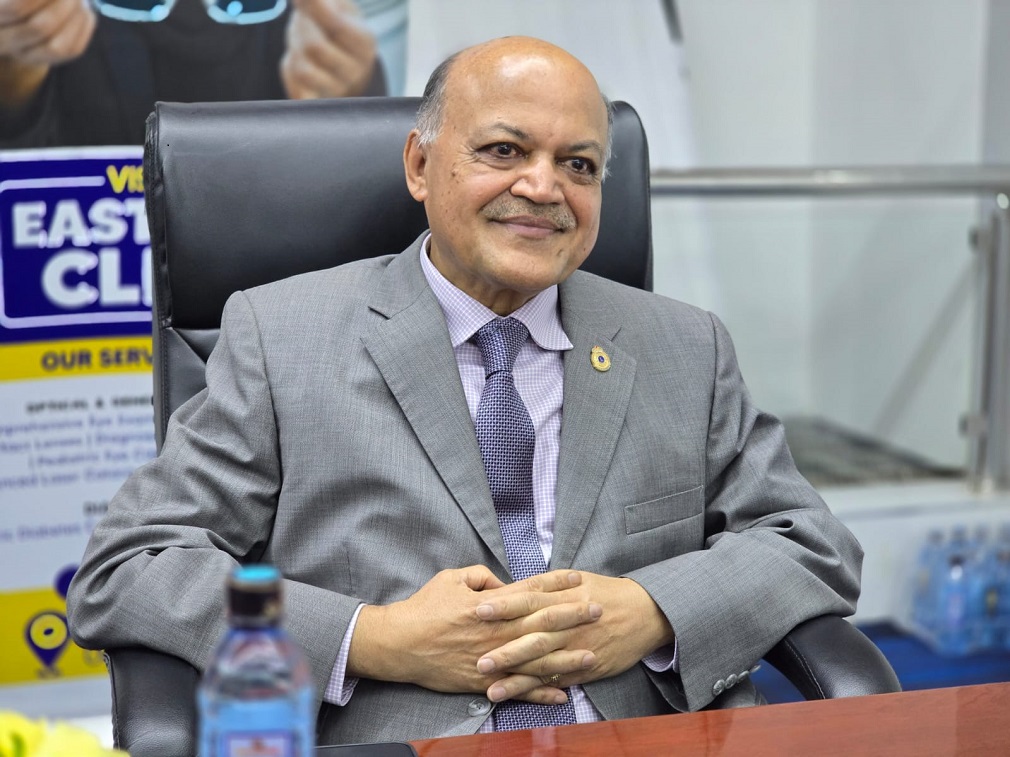
NAIROBI – Lions SightFirst Eye Hospital has raised concern over the growing threat of glaucoma, warning that thousands of people risk losing their sight because the disease often develops without obvious symptoms until permanent damage has already occurred.
The warning was issued as the hospital’s Eastleigh branch marked its first anniversary, with eye specialists using the occasion to encourage residents to undergo regular eye examinations and seek treatment before vision problems become severe.
According to ophthalmologist Dr Rachna Jain, glaucoma remains one of the leading causes of preventable blindness because many patients are unaware they have the condition until it has progressed significantly.
“Glaucoma is a condition where the patient is not even aware, and it is usually a blinding disease. It is called a silent vision thief,” she said.
Unlike many other eye conditions, glaucoma can gradually damage the optic nerve without pain or noticeable symptoms, making routine screening the most effective way of detecting the disease early.
Specialists at the hospital say delayed diagnosis remains one of the biggest challenges they encounter, with many patients seeking treatment only after their eyesight has already been affected.
Speaking during the anniversary celebrations, Lions SightFirst Eye Hospital chairman Dr Manilal Dodhia said early diagnosis was critical not only for protecting eyesight but also for identifying other health conditions that often go undetected.
“The eye is the window of our body. A simple examination can reveal diseases such as diabetes and high blood pressure long before a patient feels unwell,” he said.
Dodhia said the Eastleigh facility was established to improve access to specialised eye care services and reduce the need for residents from Eastleigh and neighbouring areas to travel long distances for treatment.
He noted that the hospital provides cataract care, glaucoma management, retinal screening and metabolic assessments under one roof, allowing patients to receive multiple services during a single visit.
The hospital’s International First Vice President, Dr Manoj Shah, said the decision to open the Eastleigh branch followed years of observing large numbers of patients travelling from the area to the institution’s main facility in Loresho.
“We found many of our patients were coming from Eastleigh and surrounding neighbourhoods, particularly members of the Somali community. The distance and time required to travel often made access to treatment more difficult, especially for the elderly and those requiring follow-up care,” Shah said.
He said bringing services closer to patients had improved access to specialised eye care and encouraged more residents to seek treatment earlier.
Since opening a year ago, the branch has recorded steady growth in patient numbers. What began with 12 patients on the clinic’s first day has grown to an average of between 350 and 400 patients each month, according to Shah.
Among the most common conditions treated are refractive errors requiring prescription glasses, cataracts, glaucoma and diabetes-related eye complications.
Shah also expressed concern about the prevalence of diabetes among patients attending screening programmes at the hospital.
“Approximately two out of every ten people we examine are either diabetic or at risk of becoming diabetic,” he said.
He warned that diabetes can affect vision if left unmanaged and stressed the importance of combining regular eye examinations with broader health screening.
The Eastleigh facility offers a range of specialised services, including glaucoma treatment, cataract surgery, vitreoretinal care, laser procedures and corneal transplants. The hospital also provides optical, laboratory and pharmacy services.
Hospital officials say the institution continues to operate as a non-profit organisation, with a focus on making specialised eye care accessible and affordable for local communities.
As Lions SightFirst Eye Hospital marks its first year in Eastleigh, specialists say the anniversary serves as a reminder that many causes of blindness can be prevented through routine check-ups and early intervention.
For glaucoma patients in particular, doctors warn that waiting for symptoms to appear may mean waiting too long.